Elena Berger · 26 September 2026
Reifwald Valley Medieval Tool Discovery Prompts Fresh Collaboration Between Educators and Heritage Groups on Curriculum Updates
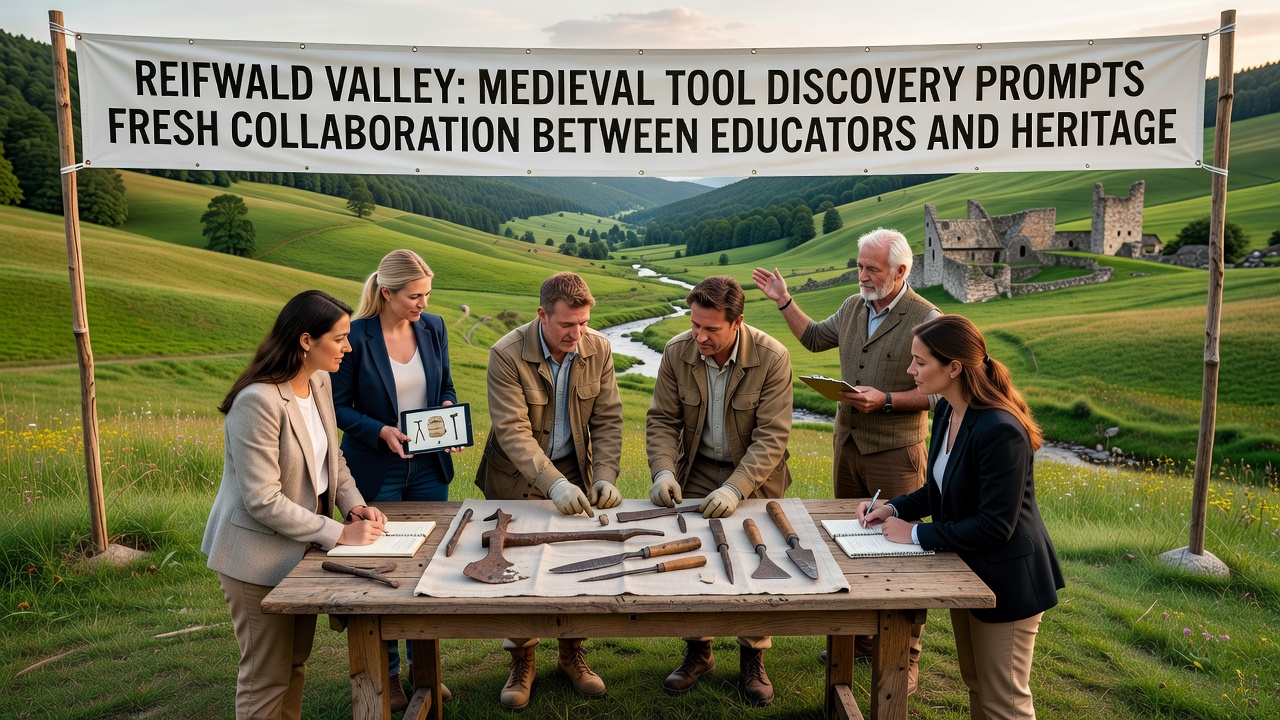
Archaeologists working in Reifwald Valley uncovered a collection of medieval tools during routine site assessments conducted earlier this year, and the find has led directly to coordinated efforts among local educators and heritage organizations to revise regional history curricula. The artifacts include iron farming implements, woodworking tools, and personal items dated to the 12th through 14th centuries, according to preliminary analyses performed by the regional archaeological service. These discoveries align with documented settlement patterns in the valley, where historical records indicate agricultural communities thrived during the same period. The excavation team documented over 40 individual pieces at three distinct locations along the valley floor, and researchers have since catalogued them for further study at the central heritage laboratory. Soil samples taken alongside the tools provided carbon dating confirmation that places the items within established medieval timelines for the area. Heritage groups quickly recognized the potential for integrating these findings into classroom materials, since current textbooks contain only generalized references to medieval life in the broader region. Educators from several schools in the Reifwald district began meeting with representatives from the valley heritage preservation society shortly after the announcement of the finds. The initial sessions focused on identifying specific ways to incorporate primary source material derived from the tools into existing lesson plans for grades five through nine. Participants reviewed existing curriculum standards and noted gaps where local archaeological evidence could strengthen connections between national history frameworks and valley-specific developments.Details of the Tool Collection and Site Context
The recovered items consist primarily of agricultural and craft implements such as sickles, adzes, and chisels, while several smaller objects appear to represent household or personal use. Conservation specialists have stabilized the metal surfaces and prepared digital scans that allow non-invasive examination of construction techniques. These scans reveal manufacturing methods consistent with regional blacksmithing practices from the high medieval period, and they provide visual resources that educators plan to adapt for interactive classroom modules.
Site mapping shows the tools clustered near former field boundaries and workshop areas identified through earlier geophysical surveys. Researchers cross-referenced these locations with medieval tax rolls and land grants held in the state archive, which helped establish probable ownership patterns for the tools. The combination of physical evidence and documentary records offers a clearer picture of daily labor and resource management in the valley during that era.
Collaboration Process and Curriculum Integration Steps
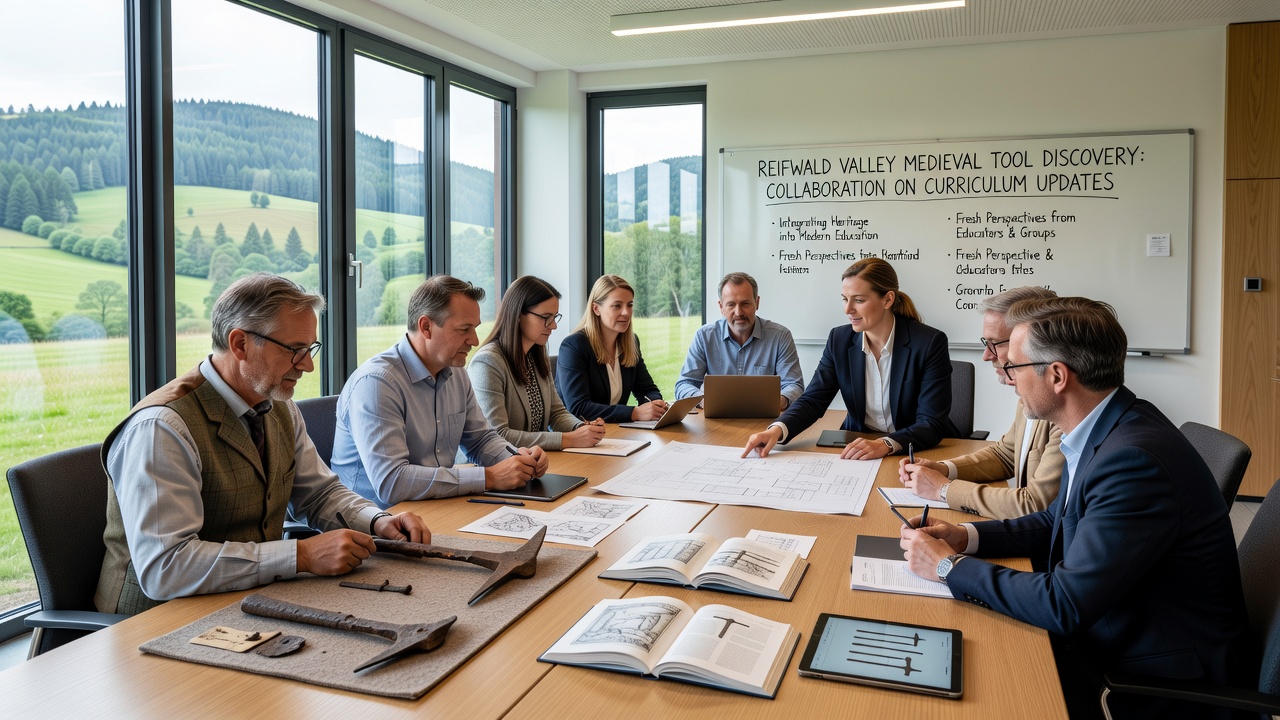
Joint working groups formed in the months following the discovery, and they established a timeline for drafting updated teaching units that would reach classrooms by the start of the next academic year. The groups divided tasks so that heritage specialists supplied artifact descriptions and historical context while teachers developed age-appropriate activities and assessment methods. Regular progress meetings have continued through the summer, with an expanded session scheduled for September 2026 to finalize materials ahead of the fall term.
Sample lesson outlines already include hands-on exercises using replica tools constructed from the digital scans, alongside comparative analysis of medieval and modern farming equipment. Students will examine the artifacts through photographs and 3D models rather than handling originals, a decision reached after consultation with conservation guidelines issued by the European heritage documentation network. The approach keeps students engaged while protecting fragile items for long-term research use.
Supporting Research and Regional Comparisons
Similar tool assemblages discovered in other central European valleys have prompted comparable curriculum adjustments in those districts, and data compiled by the Archaeological Institute of America shows measurable increases in student retention of local history topics when such site-specific evidence enters lesson plans. Reifwald educators reviewed those case studies during planning sessions to adapt successful elements to their own setting. Additional reference material came from reports prepared by the Australian Institute of Archaeology, which examined cross-cultural applications of medieval artifact studies in secondary education programs.
Funding for the collaboration has drawn from existing heritage preservation grants and school district professional development allocations, while volunteer contributions from retired teachers and local historians have supplemented paid staff time. The partnership model mirrors earlier successful projects in the valley that addressed environmental education updates, and participants expect the current effort to produce shareable templates for other districts facing comparable archaeological finds.
Conclusion
The Reifwald Valley medieval tool discovery has established a direct pathway for updating educational content through sustained cooperation between schools and heritage organizations. Ongoing work through September 2026 will determine how fully the new materials embed into daily instruction, yet the process already demonstrates how fresh archaeological evidence can reshape classroom approaches to regional history. Further cataloguing and analysis of the artifacts will continue to inform these revisions as additional details emerge from laboratory examinations.