Elena Berger · 24 October 2026
Reifwald Residents Organize Workshops to Discuss Future Planning and Development Strategies for the Valley
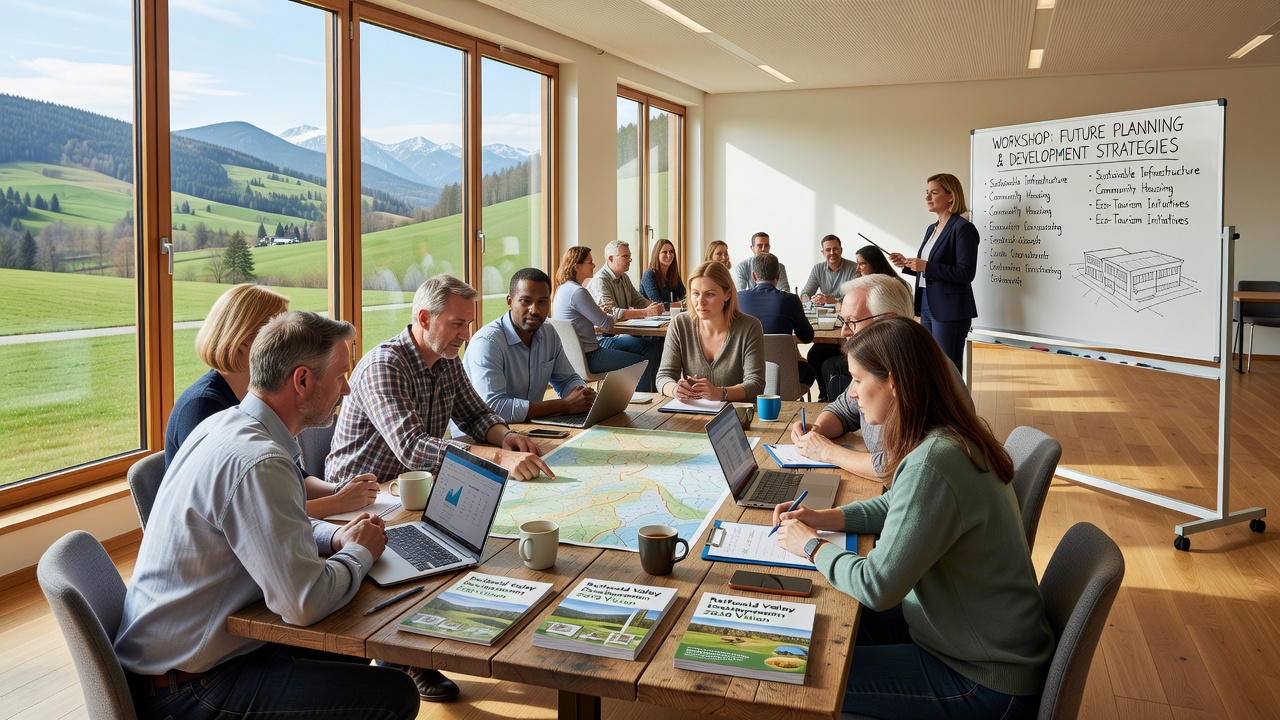
Reifwald residents have launched a series of workshops in October 2026 focused on long-term planning and development strategies for the valley, bringing together local stakeholders to address infrastructure needs, land use priorities, and community growth projections through structured discussions and collaborative sessions.
These gatherings build on earlier community meetings held throughout the summer months, where initial concerns about housing expansion and transportation links first surfaced among valley households, and organizers have scheduled weekly sessions through the end of the year to refine proposals that can guide municipal decisions in the coming decade.
Workshop Structure and Participation
Each session runs for three hours at the central community center, with facilitators dividing participants into small groups that rotate through stations covering topics such as water resource management, sustainable agriculture integration, and digital connectivity improvements, while attendance has averaged 85 people per event according to sign-in records maintained by the organizing committee.
Local government representatives from the Reifwald municipal office attend as observers only, providing data on zoning regulations and budget allocations when requested but without directing the conversations, and this approach has allowed residents to generate independent recommendations that they plan to present formally in early 2027.
One study from the European Commission on rural development frameworks shows similar resident-led processes have produced measurable shifts in regional investment patterns across multiple valleys in central Europe, and Reifwald organizers have referenced those findings when structuring their own agenda items.
Key Topics Under Discussion
Participants examine flood mitigation measures along the valley's main waterway, drawing on historical records that date back to the 1980s, while also evaluating options for renewable energy installations that could reduce reliance on external power grids, and several groups have already drafted preliminary maps showing potential sites for solar arrays on previously underutilized slopes.
Housing density targets form another major thread, with data from the most recent census indicating a 12 percent population increase since 2020, and attendees review case examples from comparable communities to determine how new construction might align with existing architectural styles and green space requirements.
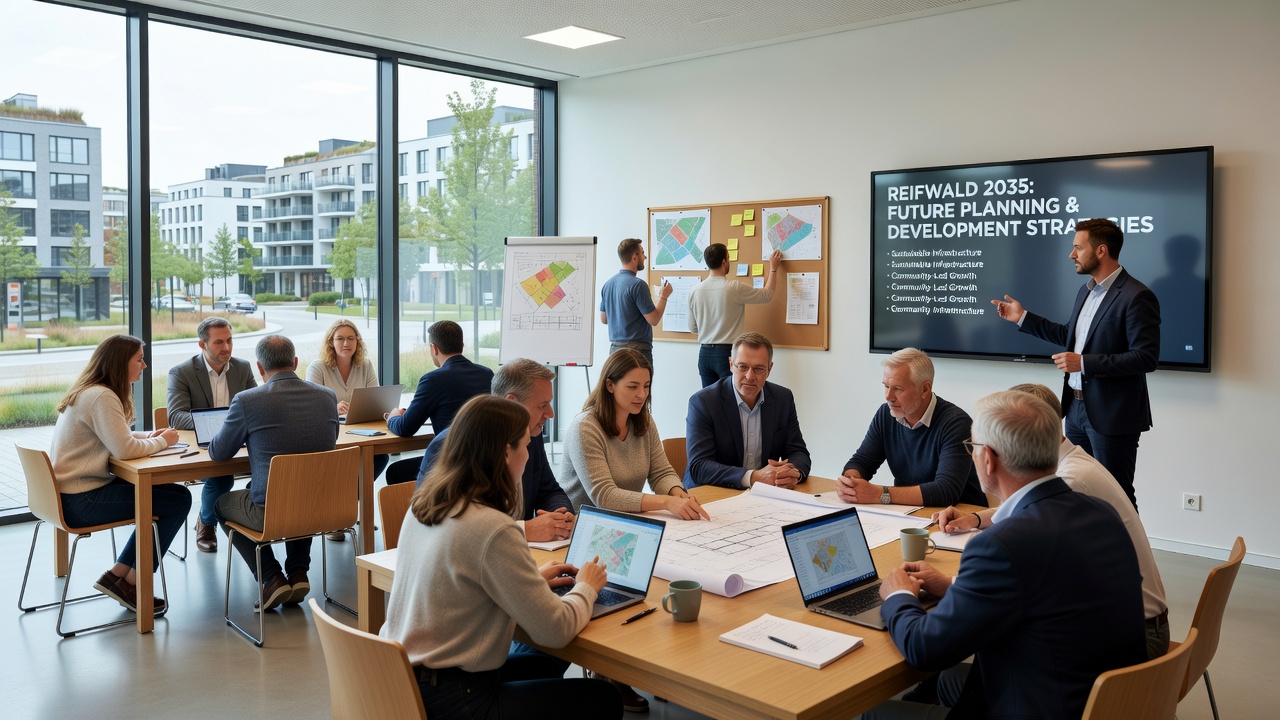
Transportation planning receives dedicated attention as well, since current bus routes leave several outlying farms without reliable service during winter months, and residents compile lists of priority road upgrades that could connect those areas more effectively to the main settlement while minimizing environmental disruption.
Data Sources and External Input
Organizers have incorporated figures from Statistics Canada reports on rural infrastructure trends to benchmark local conditions against national averages, which helps participants place their proposals in a broader context without relying solely on anecdotal observations.
University researchers from nearby institutions contribute occasional guest presentations on soil conservation techniques and biodiversity monitoring protocols, though the core decision-making remains with the residents themselves through consensus-building exercises at the end of each workshop.
By the midpoint of the October schedule, three draft strategy documents had emerged covering short-term actions for 2027, medium-term goals extending to 2035, and longer-term visions that incorporate climate adaptation measures, and these texts circulate among participants for further comment before final revisions begin in November.
Next Steps and Timeline
Public review periods will follow the conclusion of the workshops, with printed copies of the proposals available at the town library and digital versions posted on the municipal website for wider feedback, and a final community vote is scheduled for December to select which elements advance to formal submission.
Those who've studied comparable initiatives note that sustained resident involvement often determines whether such plans translate into actual policy changes, and Reifwald's current momentum suggests the valley could see coordinated development projects begin implementation within the next two years if the documents receive approval.
Conclusion
The workshops continue through late October 2026 with additional sessions planned on economic diversification and cultural preservation themes, and the compiled recommendations will form the basis for ongoing dialogue between residents and regional authorities as the valley charts its development path forward.