Mara Günther · 1 September 2026
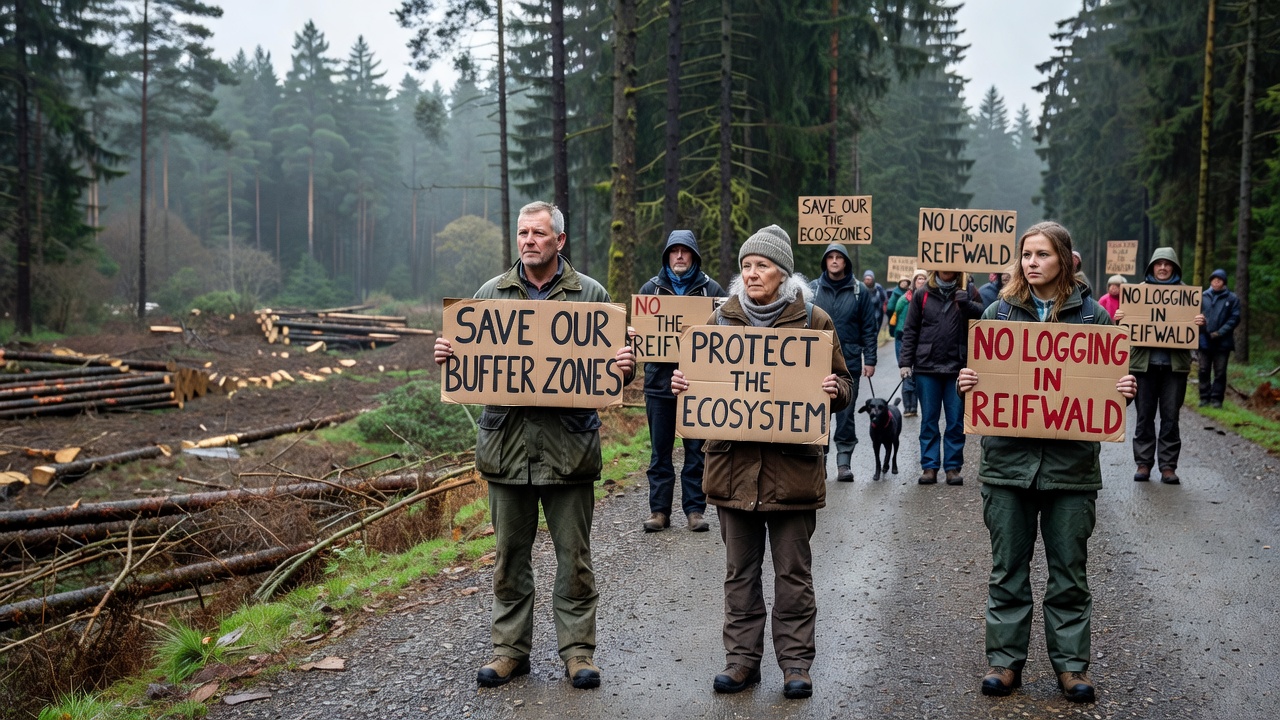
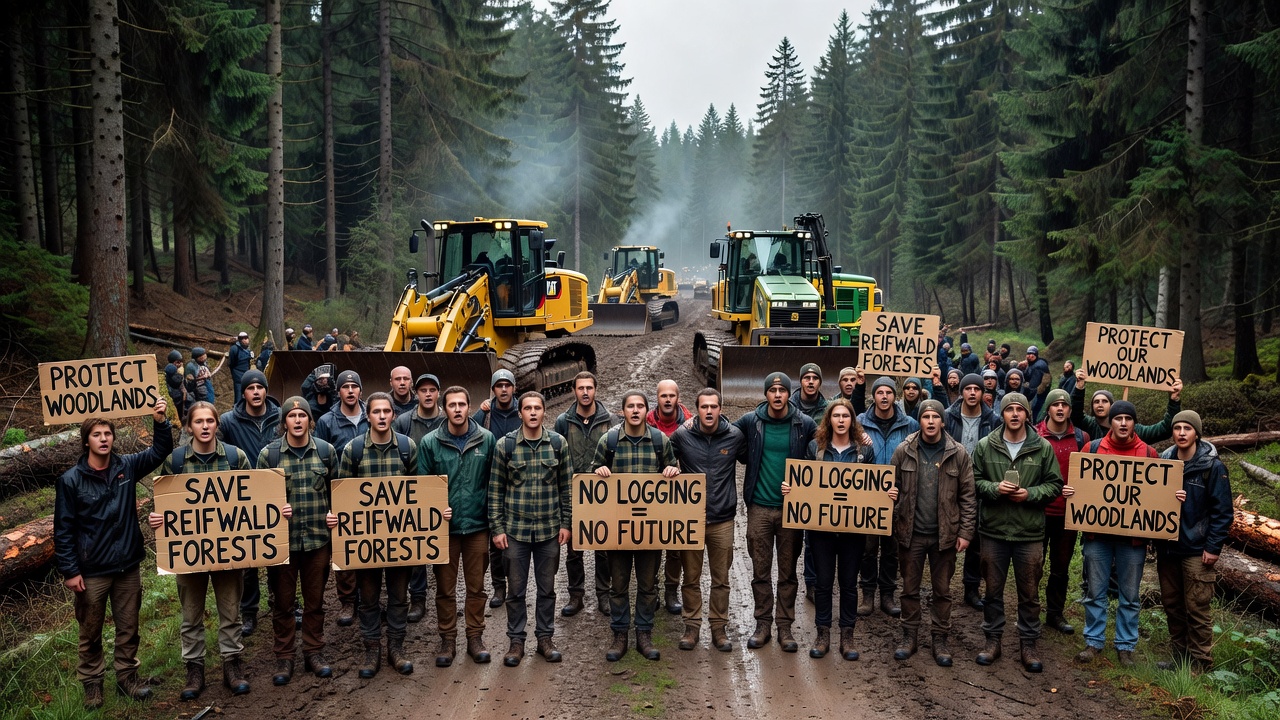
Residents near Reifwald Forest have staged several demonstrations this week opposing approved logging in adjacent buffer zones. The events underscore local worries about ecosystem disruption, water quality, and biodiversity loss in the conservation area. Environmental organizations coordinated the rallies, gathering signatures and planning further actions to urge officials to reconsider the permits.
Overview of Proposed Logging Activities
The regional forestry authority granted permits for selective timber harvesting on lands bordering the protected forest. Company officials maintain that operations will adhere to sustainability standards, including buffer zones and seasonal restrictions to limit wildlife disturbance. Independent surveys, however, show declining populations of protected bird species that could face added pressure from road access and machinery. Local farmers cite risks to stream sedimentation affecting irrigation and downstream habitats. Petitions against the project have amassed over three thousand signatures in the first week alone. Discussions with regulators are scheduled to explore boundary expansions or alternative sites for any necessary thinning.
Ecologists emphasize the connectivity between core forest stands and surrounding woodlands, noting that edge effects from logging can extend hundreds of meters inward. Historical data indicate successful regeneration in Reifwald following earlier protection measures, which protesters say should not be undermined by nearby activity.
Reactions from Activists and Officials
Activists highlight the forest's role in carbon storage and recreation, arguing economic gains from timber are outweighed by long-term ecological costs. Officials have pledged full review of environmental impact assessments and public consultation before operations begin. Additional workshops on forest ecology and a larger march through the district center are planned for the coming weeks. Negotiations continue as both sides seek solutions balancing conservation priorities with regional resource needs.